Facebook
 X
X
 Pinterest
 Copy Link
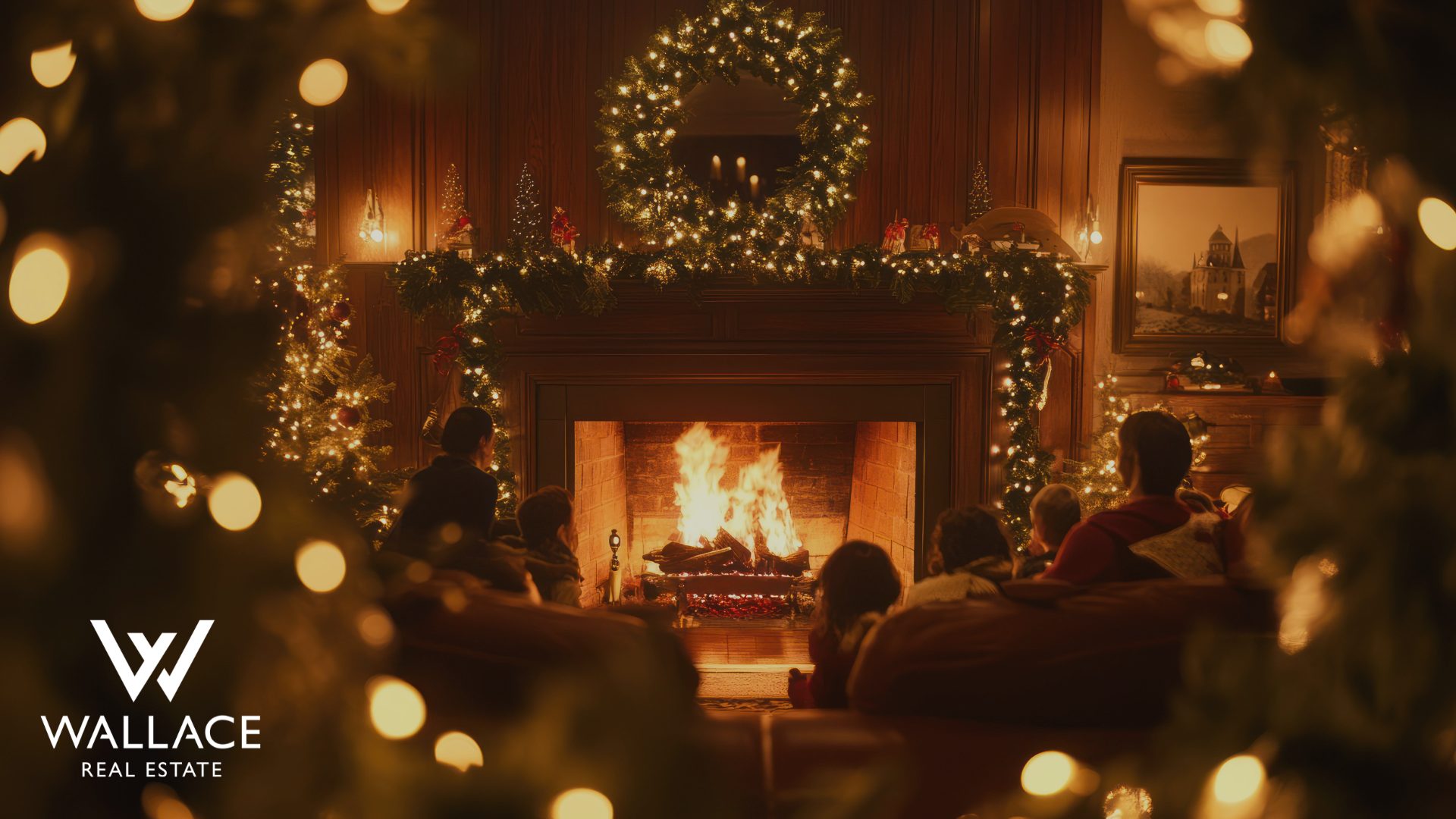
As the holidays approach and Santa prepares his annual trip down the chimney, many East Tennessee homeowners are turning their attention to the glow of a cozy fire. Fireplaces remain one of the most beloved features in a home—adding charm, warmth, and that unmistakable sense of winter comfort. Whether you have a traditional wood-burning hearth or a modern gas fireplace, taking the right precautions helps ensure your home is safe all season long.
Here’s a helpful guide to understanding different types of fireplaces and the steps homeowners should take to keep everything running safely—especially if it’s been a while since you’ve used yours.
Wood-Burning Fireplaces
Wood-burning fireplaces offer timeless ambiance with the crackle, smell, and warmth only real firewood can provide. But because these rely on true flame and venting, regular maintenance is essential.
Tips for wood-burning fireplace safety:
- Schedule an annual chimney inspection by a certified professional to check for soot buildup, blockages, or creosote—one of the leading causes of chimney fires.
- Burn only dry, seasoned hardwoods. Wet or soft wood creates more smoke and buildup.
- Always use a screen or glass door to prevent sparks from escaping into the room.
- Keep flammable items—including stockings hung for Santa—a safe distance from the hearth.
- Make sure your damper is fully open before lighting a fire, and allow the fire to burn out completely before closing it.
Gas Fireplaces
Gas fireplaces offer convenience, energy efficiency, and instant warmth. They’re especially popular for homeowners who want the ambiance of a fire without hauling wood or cleaning ash. But even though they burn cleaner than wood, they still require routine care.
Tips for gas fireplace safety:
- If you haven’t used your gas fireplace in several years, schedule a professional inspection before turning it on. A technician can check gas lines, ventilation, the ignition system, and ensure there are no leaks.
- Make sure carbon monoxide detectors in your home are functioning and placed near bedrooms.
- Clean the glass, logs, and surrounding components gently each season to remove dust and debris.
- Never try to repair ignition issues or gas odors yourself. If you notice a smell or suspect a leak, shut off the gas supply, leave the home, and contact the gas company immediately.
- Keep pets and small children at a safe distance—gas units can become hot to the touch.
If You Haven’t Used Your Fireplace in Years
This scenario is more common than you might think. One Wallace agent recently had a client with a gas fireplace they hadn’t turned on in six years. In cases like this—whether wood-burning or gas—the rule of thumb is simple: do not attempt to use it until it has been professionally inspected.
A certified technician or chimney sweep can:
- Test functionality
- Check for obstructions, nests, or buildup
- Inspect ventilation
- Confirm proper gas flow and safety features
- Clean interior components
- Ensure everything meets current safety standards
A quick check now can prevent costly repairs or dangerous situations later.
A Season Made for Cozy Moments
From holiday gatherings to quiet nights by the fire, winter has a way of drawing us closer to home. And while Santa may be the most famous chimney visitor of all, he would surely agree that a well-maintained fireplace makes for a safe and magical holiday season.
If a fireplace is on your wish list—or you’re looking to upgrade your home—I’m here to help. Many East Tennessee properties feature beautiful wood-burning or gas fireplaces, and our experienced team can guide you through what to look for, what to ask, and how to keep your home warm and comfortable for years to come.